


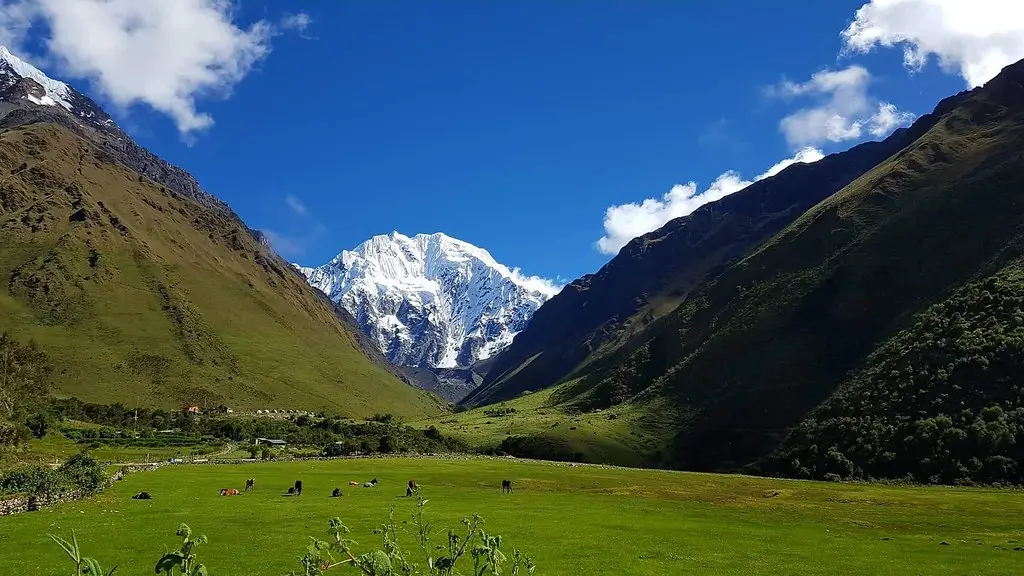
Nestled in the heart of the Peruvian Andes, the Salkantay Trek is a breathtaking alternative to the more famous Inca Trail. Named after the majestic Nevado Salkantay — a sacred snow-capped mountain that rises to 6,271 meters (20,574 feet) — this trekking route offers a remarkable combination of natural beauty, cultural heritage, and physical challenge. For adventurers seeking a less crowded but equally awe-inspiring path to Machu Picchu, Salkantay trekking is an ideal choice.
Overview of the Salkantay Trek
The Salkantay Trek typically spans 5 days and 4 nights, covering around 72 kilometers (45 miles) from the trailhead at Mollepata or Soraypampa to Aguas Calientes, the town at the base of Machu Picchu. Unlike the Inca Trail, the Salkantay route does not require a special permit, making it more accessible and flexible for last-minute travelers.
Key Highlights of the Trek
-
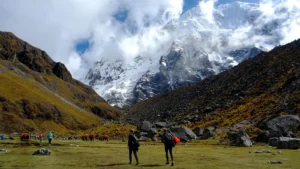
Salkantay Pass (4,650 m / 15,255 ft)
The highest point of the trek, this pass offers a dramatic view of snow-covered peaks, including Salkantay itself. Trekkers often describe the crossing as both physically demanding and spiritually uplifting. -
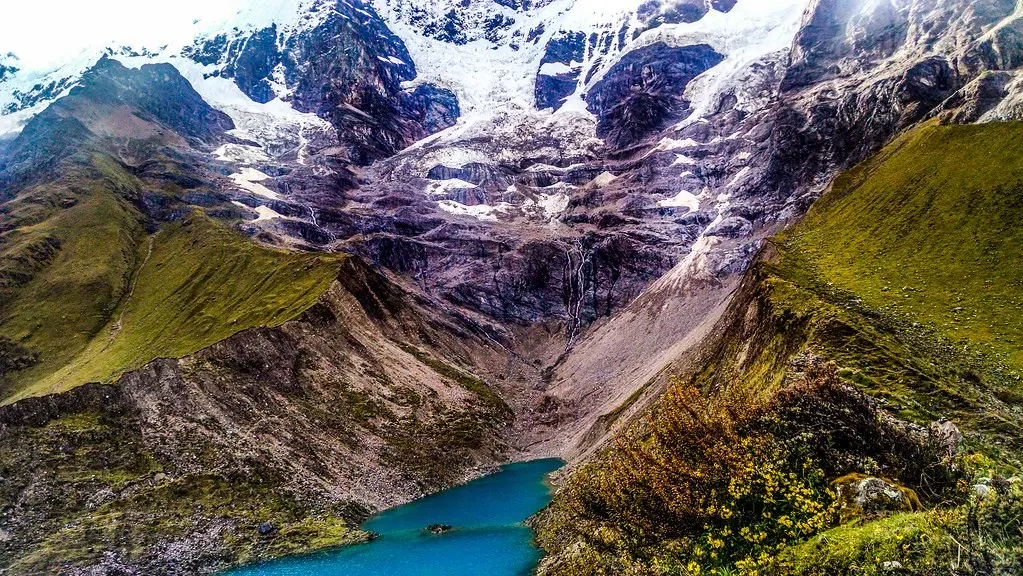
Humantay Lake
A turquoise glacial lake surrounded by steep mountains, Humantay Lake is a popular acclimatization stop and Instagram-worthy highlight early in the trek. -
Diverse Ecosystems
One of the trek’s most impressive features is its range of ecological zones. Hikers traverse high-altitude alpine terrain, cloud forests, and lush jungle, encountering diverse flora and fauna along the way. -
Coffee and Banana Plantations
As the trek descends into warmer climates, walkers pass through small villages and plantations, where local farmers grow coffee, bananas, avocados, and passion fruit. -
Hot Springs at Santa Teresa
Many trekkers take a relaxing detour to soak in the natural hot springs of Santa Teresa, a perfect way to unwind before the final push to Machu Picchu. -
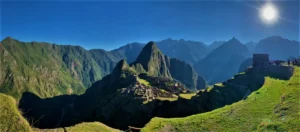
Final Destination: Machu Picchu
On the last day, travelers either hike or take a short train ride from Aguas Calientes to the ancient Incan citadel. Arriving at Machu Picchu after several days of hiking heightens the sense of achievement and wonder.
Why Choose the Salkantay Trek?
-
Less Crowded: The Inca Trail is limited to 500 permits per day and often sells out months in advance. Salkantay offers a more serene experience.
-
Scenic Variety: From glaciers to jungle, the landscapes are incredibly diverse and often described as more spectacular than the Inca Trail.
-
Adventure Level: With steep climbs, river crossings, and changing weather conditions, it’s a more rugged experience — perfect for adventure seekers.
-
Cultural Interaction: Unlike the Inca Trail, which is mostly remote, the Salkantay route passes through small Andean villages, offering authentic cultural encounters.
When to Go
The best time to hike the Salkantay Trek is during the dry season, from April to October. June through August is the peak tourist season with the clearest skies, though trails may be busier. November to March marks the rainy season, which can bring landslides and slippery paths.
Preparation and Tips
-
Acclimatize: Spend at least 2-3 days in Cusco before starting the trek to adjust to the altitude.
-
Pack Layers: Weather can range from freezing nights to hot jungle days. Be prepared for all conditions.
-
Hire a Guide or Tour Company: While the trail can be done independently, guided tours provide meals, transportation, gear, and invaluable local insight.
-
Bring Cash: Remote villages may not have ATMs or card facilities.
Conclusion
The Salkantay Trek is more than just a route to Machu Picchu — it’s a journey through the heart of the Andes, a test of physical endurance, and a deeply rewarding encounter with Peru’s natural splendor and cultural richness. Whether you’re an experienced trekker or a passionate traveler seeking something unique, Salkantay promises an unforgettable adventure off the beaten path.


Leave A Reply